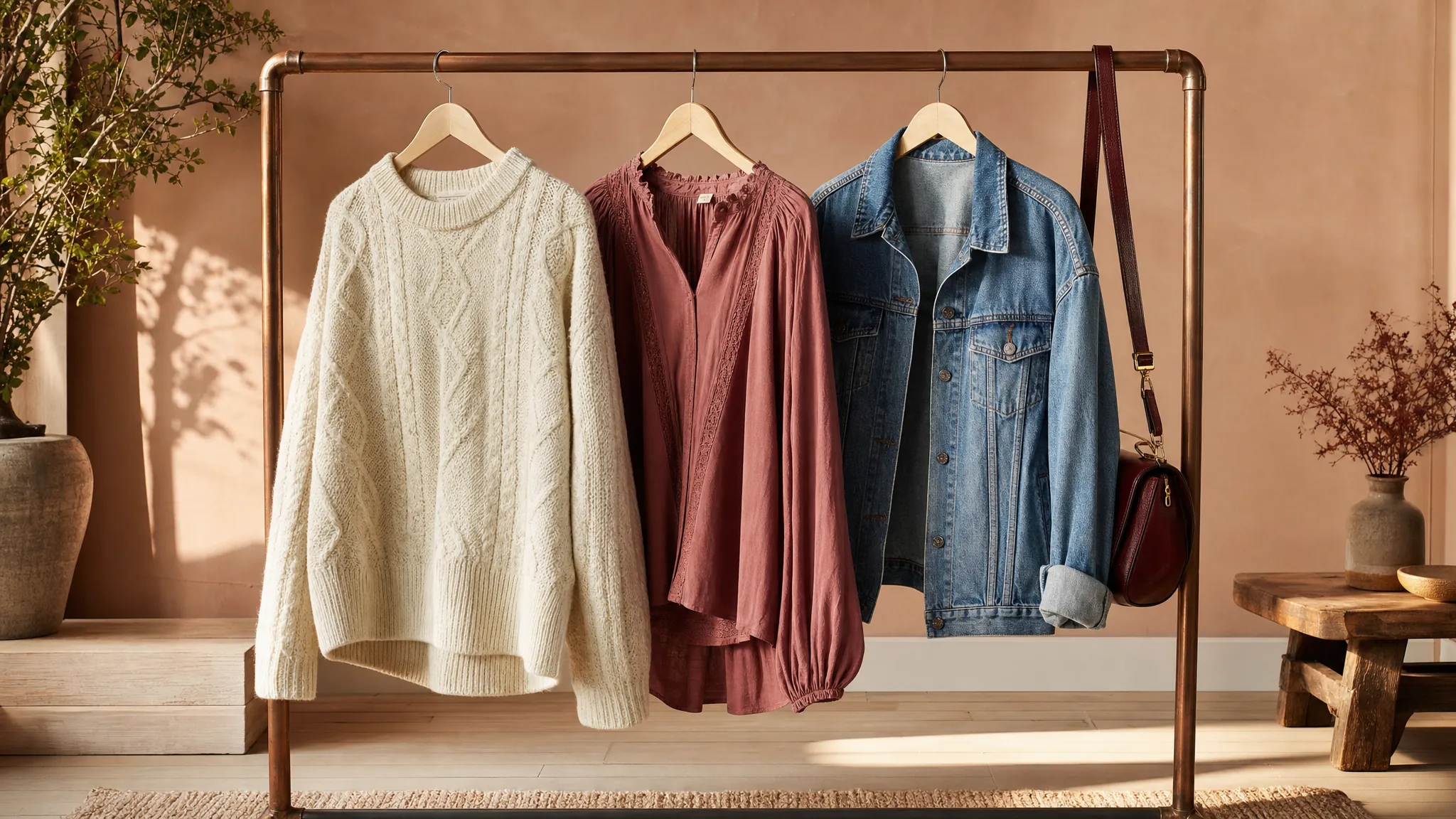
Thrift shopping gets easier when you stop treating every rack like a challenge to conquer. The best finds are not always the loudest, the newest-looking, or the lowest-priced. They are the pieces that make getting dressed feel simpler. A jacket that pulls three outfits together. A knit that works with the jeans already in your closet. A top that feels a little more like you than anything you saw at the mall.
The goal is not to come home with the biggest haul. It is to notice quality, understand your own taste, and give good clothes a real next chapter. Whether you are walking into a thrift store for the first time or browsing a curated pre-loved closet online, these thrift shopping tips can help you shop with more confidence.
1. Start with a short wish list
Going in with no plan can be fun, but it also makes it easy to buy a pile of almost-right things. Before you shop, take one minute to name what would actually help your wardrobe. Maybe you need an everyday layer, a going-out top, an easy dress, or a pair of pants that works with your favorite shoes. Keep the list short enough to remember.
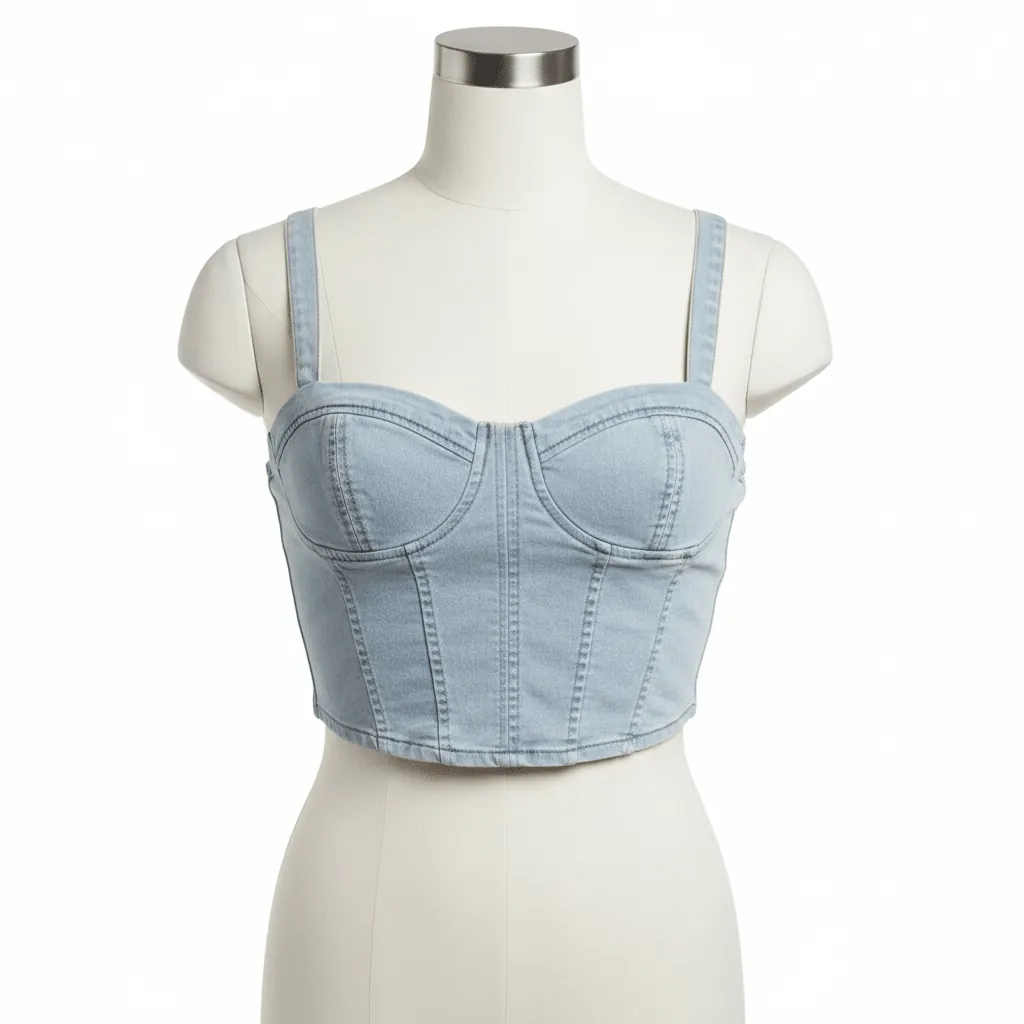
A wish list is not a set of rules. It is a filter. When you find something unexpected, ask whether it fits one of the gaps you already feel when getting dressed. A cream sweater might make sense because you wear jeans all week. A bright cami might make sense because it gives your neutral closet some energy. A dramatic blazer might be worth it because you already have simple basics that let it shine.
It also helps to think in outfits instead of isolated items. Can you name two pieces you own that would work with it? Can you picture where you would wear it? If the answer is yes, the find has a much better chance of becoming a favorite. If the answer is only, “It is cute,” give yourself a lap around the store before you decide.
A useful wish list can also include a few boundaries. Set a price range you feel good about, a color family you are actually wearing right now, or a reminder that you do not need another version of something already sitting unworn at home. These gentle limits keep a fun shopping trip from becoming clutter, while leaving room for the surprise piece that truly earns its place.
2. Look for fabric and construction before the label
A familiar brand can be useful information, but it should not make the decision for you. Start with the feel of the fabric. Does it feel substantial or flimsy? Does a knit have enough spring to hold its shape? Does denim still feel sturdy? Does the lining sit smoothly inside a jacket? Those details tell you more about how a piece may wear than a label alone.
Then check the places that do the hard work: shoulder seams, underarms, side seams, hems, buttons, zippers, snaps, and pockets. Turn the garment inside out when you can. Loose threads are not automatically a problem, especially on a piece you love, but pulled seams, deep fabric thinning, or a zipper that will not move are worth taking seriously.
Natural fibers and blends can both be good buys. The practical question is whether the material suits the piece and the care you are willing to give it. A delicate vintage blouse may be perfect for occasional plans. A soft cotton tee may be the better choice for an everyday uniform. Buy for your real routine, not only for the story you tell yourself in the fitting room.
3. Give condition a fair, not fearful, inspection
Pre-loved does not mean perfect, and it does not need to. A small repair can be completely reasonable when the silhouette, fabric, and fit are strong. Missing buttons can often be replaced. A hem can be adjusted. A sweater with a little pilling may still have years left in it. What matters is knowing the difference between a manageable project and a problem that will leave the piece untouched in your closet.
Look in natural light when possible. Check for discoloration near the neckline, cuffs, and underarms. Run your hand over the fabric to feel for thinning or snagging. With structured pieces, check that the shoulders sit evenly and the lining is not tearing away. With knitwear, look closely for holes, stretched cuffs, or areas that have lost their shape. With jeans and pants, inspect the inner thigh and seat, where fabric tends to wear first.
Be honest about your repair habits. If you already know how to sew on a button, a small fix is no big deal. If a piece needs tailoring, dry cleaning, or special care and you rarely follow through, factor that into the price and the decision. A great deal is only a great deal when you will actually use it.
4. Try for fit potential, not a perfect size tag
Sizes are especially unreliable in pre-loved clothing. A small from one brand can fit like a medium from another, and older pieces often use different sizing altogether. Treat the tag as a starting point, not a verdict. The measurements, fabric stretch, cut, and how a piece sits on your body matter more.
When you try something on, move around. Lift your arms, sit down, bend over, and look at the garment from the side. Notice whether the shoulder seam hits in a comfortable place and whether the waist, rise, or armhole feels restrictive. A relaxed shirt can be intentionally oversized. A fitted dress should feel secure without making you hold your breath. The right piece should make you feel more at ease, not more self-conscious.
Some adjustments are easy to imagine. Pants can be hemmed. A belt can define a dress. A jacket can look great pushed up at the sleeves. But do not rely on a complicated transformation to make an item work. If you would need to rebuild the neckline, resize the whole garment, and buy new shoes to style it, let it go. Another good find will come along.
5. Choose the piece with the clearest outfit story
Personal style becomes more consistent when you buy clothes that can talk to each other. Before you check out, build a tiny outfit in your mind. Start with the find, then add a bottom, a layer, a shoe, and one finishing detail. You do not need to own every part of that outfit already, but the combination should feel natural to you.
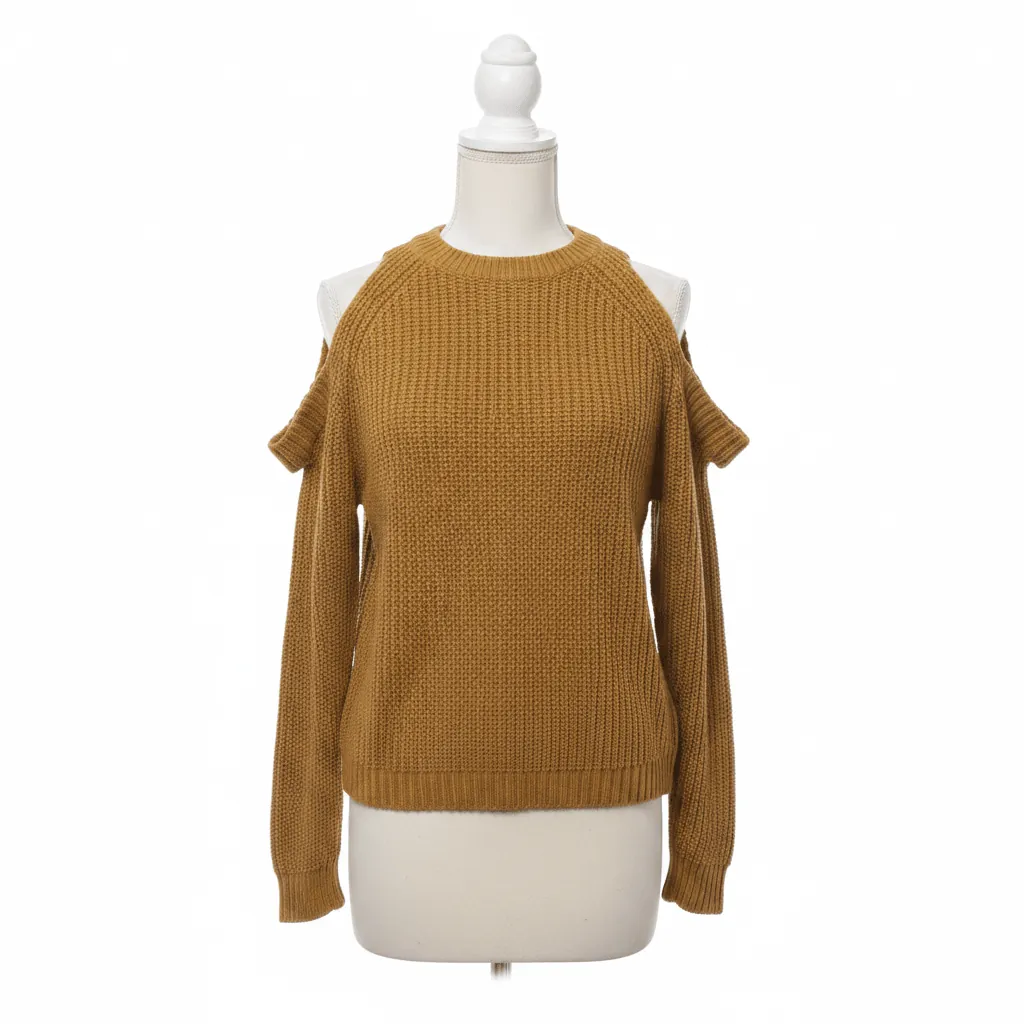
For example, a simple tank can become a date-night piece with dark pants and a jacket, or an everyday layer under an open cardigan. A denim shirt jacket can work over a fitted dress, with shorts, or with a soft knit. A textured sweater brings interest to basic jeans without asking for much else. These are the pieces that earn their closet space because they make the rest of your wardrobe more useful.
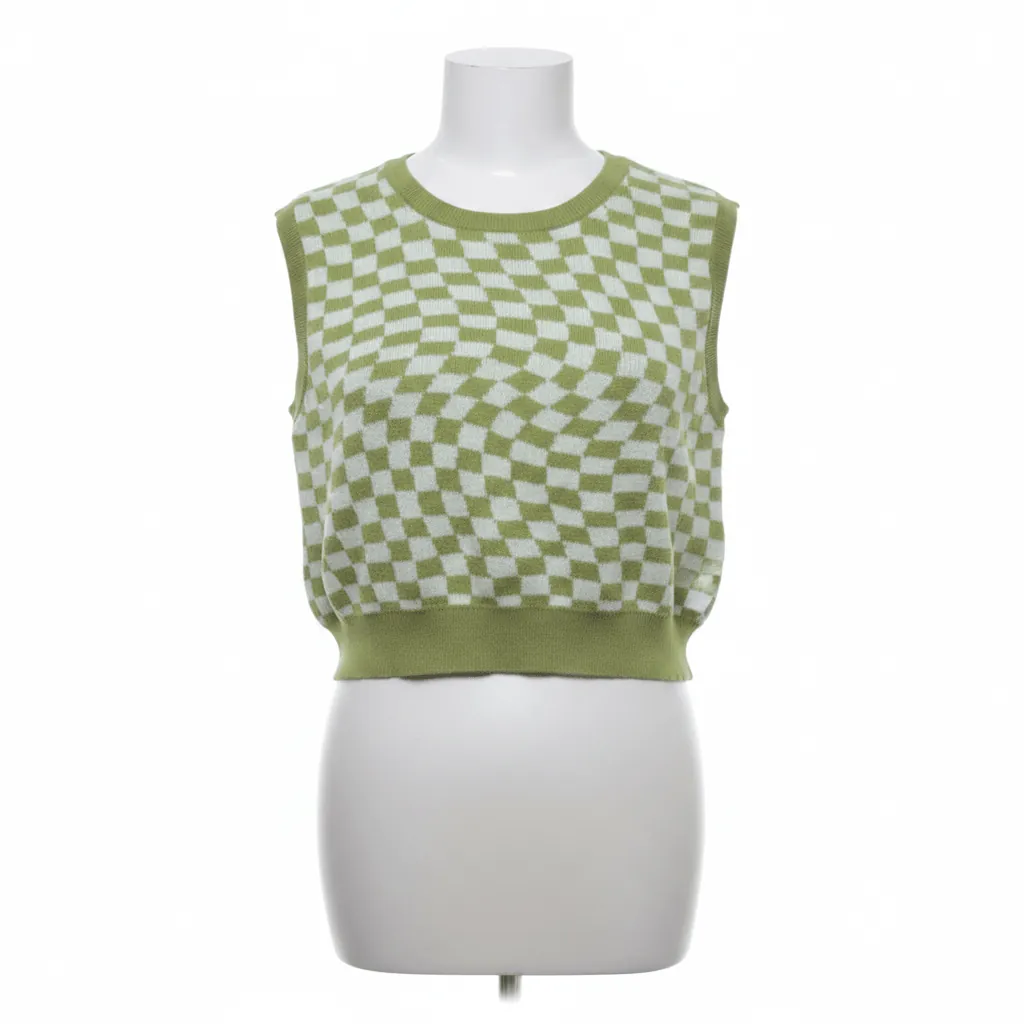
Color is a helpful shortcut here. Look for a shade that works with at least two colors you already wear. Neutrals are easy, but a pop of mustard, teal, or pink can be just as wearable when it repeats a color already present in your shoes, bag, jewelry, or favorite denim.
6. Shop slowly enough to notice the good stuff
Fast scanning has a place, especially in a crowded store, but do not rush past the materials and colors that usually work for you. Move through one section at a time. Scan by color first if that helps your eye settle. Touch fabrics that look promising. Pull a few pieces, then edit before you try them on. You are more likely to make a good decision with five thoughtful options than with twenty pieces piled over your arm.
Online, slow shopping means reading the details instead of relying on one photo. Look for fabric notes, measurements, condition descriptions, and clear images. A curated selection can be useful when you want to search a specific type of piece without sorting through items that are not your style or size. The hunt should feel enjoyable, but it should also make the final choice clearer.
Give yourself permission to leave something behind. Not every interesting garment needs to become yours. The more selective you are, the more satisfying your closet becomes. In the long run, the confidence to pass on a maybe is what creates room for a genuine yes.
This is also why it helps to revisit a great piece once before paying for it. Put it back on the rack, finish the section you are in, and return if you are still thinking about it. The second look gives you enough distance to see whether you love the garment itself or simply enjoyed the rush of finding it. Both feelings are real, but only one needs closet space.
7. Clean and care for a find before it joins your rotation
Once you bring a pre-loved piece home, give it a fresh start. Read the care tag if there is one, and use the gentlest appropriate cleaning method for the fabric. Many everyday cotton and synthetic pieces can be washed carefully. Delicate fabrics, structured jackets, leather, and older garments may call for hand washing, spot cleaning, or professional care.
After cleaning, handle small fixes before you put the item away. Tighten a loose button, remove a bit of pilling, or replace a missing hook while the piece is still new in your mind. These quick steps make it more likely that you will wear it right away. Store knits folded when possible, hang structured pieces on supportive hangers, and give special fabrics enough breathing room.
Care is part of the fun of owning pre-loved clothing. You are not trying to preserve a museum piece. You are helping a good garment keep doing its job, and giving yourself more reasons to reach for it.
How Strut & Style makes the hunt simpler
Thrift stores reward patience, but sometimes you know exactly what you are after and would rather skip the crowded racks. Strut & Style curates pre-loved women’s fashion into a smaller, more focused closet, with one-of-one pieces chosen for style, condition, and everyday wear. You can browse the full Strut & Style collection, look for easy finds under $20, or start with the latest new arrivals.
For outfit inspiration, the Style Edits page groups pieces by mood, from easy everyday to statement looks. The point is not to chase a perfect wardrobe. It is to find clothes that help you feel like yourself, then give those pieces the attention they deserve.
Frequently asked questions
What should I look for first when thrift shopping?
Start with fabric, condition, and fit potential. A great color or interesting print can catch your eye, but a piece earns a closer look when the material feels good, the seams are sound, and you can picture at least one outfit around it.
How do I know whether a thrifted item is worth buying?
Ask whether you would wear it in the next two weeks, not in a fantasy version of your life. If it fits well now or needs only a simple, realistic alteration, it is much more likely to become part of your regular rotation.
Should I wash thrifted clothes before wearing them?
Yes. Follow the care label when one is present, and choose the gentlest cleaning method that suits the fabric. Delicate, structured, leather, and vintage pieces may need different care from a basic cotton top.
Is it better to thrift in person or shop curated pre-loved clothing online?
Both can work well. In-person shopping gives you the fun of the hunt, while a curated online shop makes it easier to browse specific sizes, categories, and condition details when you want a more focused search.